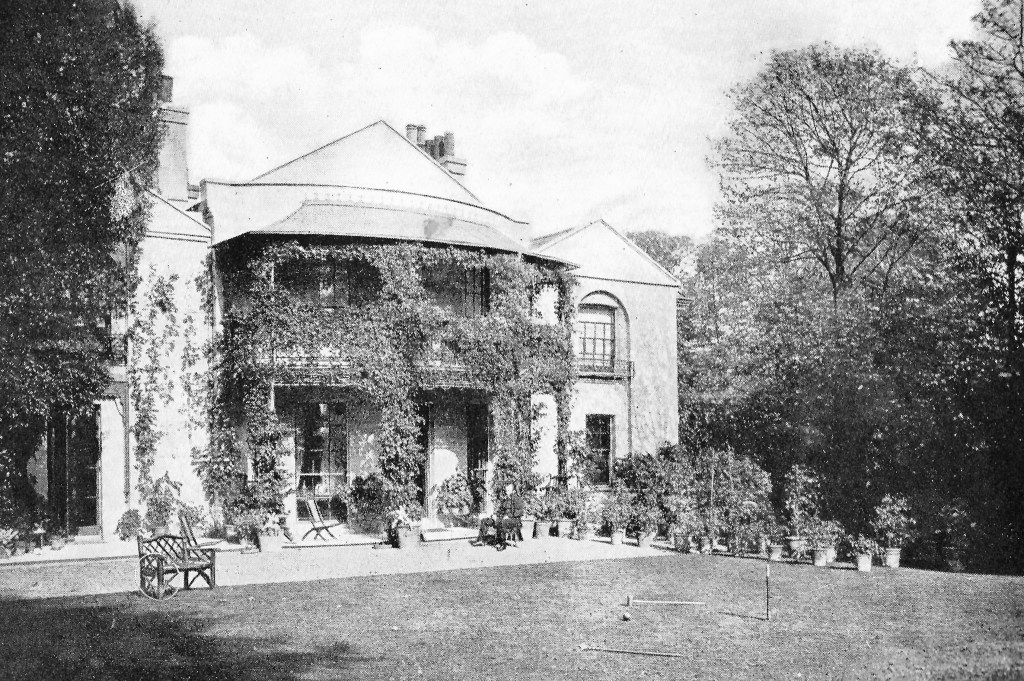
Colonel Charles Manby lived at The Greys in Borough Lane, Old Town. (Greys Road is named after the building)
Charles Manby was born on the Isle of Wight in 1804. He was the son of Aaron Manby (1776-1850) who was a Shropshire ironmaster who took his expertise to France where he established several ironworks. His father also established the Horseley Ironworks in Tipton, Staffordshire.
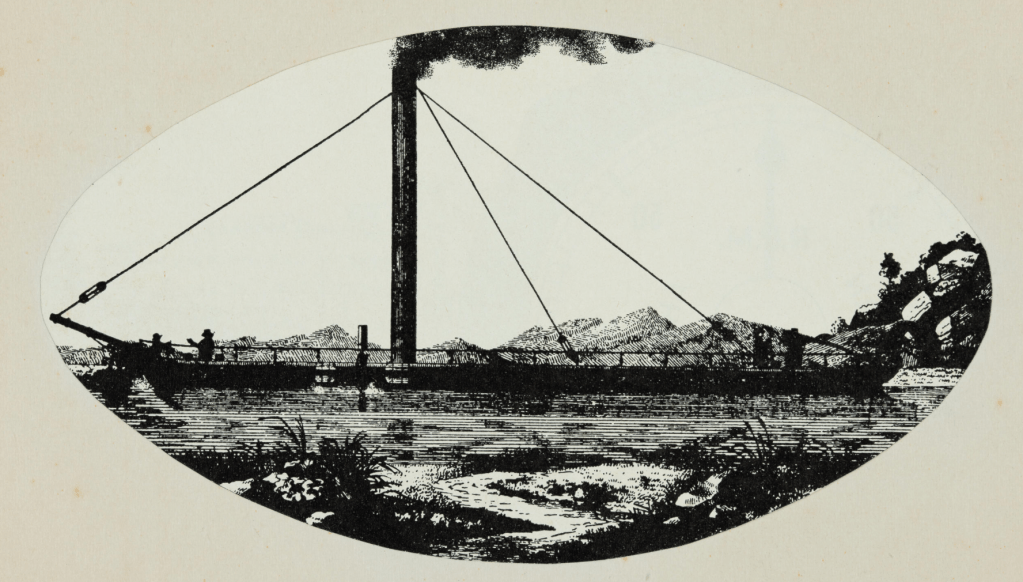
Charles was educated in Brittany and was a fluent French speaker. When he returned to England he began training as an engineer at his father’s ironworks, working under the great engineer Thomas Telford. As a teenager he helped to design the world’s first iron steamship, the Aaron Manby (named of course after his father). The ship made its maiden voyage on 10th June 1822. Sir Charles Napier was the Captain and an 18-year-old Charles Manby was the Chief Engineer.
Charles stayed in Paris where he worked to install gas-pipes and gas lighting to the streets of Paris. He returned to the UK in 1829 managing ironworks at Bristol and Ebbw Vale where he married a local girl Ellen Jones in 1830 but she died young and they had no children.
The newly widowed Charles now moved to London, where he established himself as a civil engineer. He invented ventilation systems for buildings and was involved in the India Steamship Company (later P&O) and even Arctic exploration. He became the Secretary of the Institute of Civil Engineers and in 1855 was a member of the international committee to construct the Suez Canal. In 1856 he became an agent for Robert Stevenson, the railway engineer and travelled the world promoting railway travel. In 1858, Charles married Harriet Willard, the daughter of Major Nicholas Willard and the couple moved into his former house, The Greys, Borough Lane, Old Town, Eastbourne. The couple also had a house at 60, Westbourne Terrace, Paddington, London where a blue plaque was erected in 1961.

In 1860 Charles established the Engineer and Railway Volunteer Staff Corps (today the part of the Royal Engineers) and took the role of Lieutenant Colonel. The same year in Eastbourne he established an Artillery Corps of sixty men, agreeing to pay for their equipment. Charles took an active part in Eastbourne politics, supporting the Liberal cause.
In 1864 he gave money towards the building of the Workman’s Hall (now the Leaf Hall). In 1875 he gave money towards the Eastbourne Volunteer Fire Brigade. He owned land near the pier and when, in 1876, workmen uncovered an underground brick-built cavern in the garden of Field House, bones found inside were taken to him to identify. (They were the bones of mules).
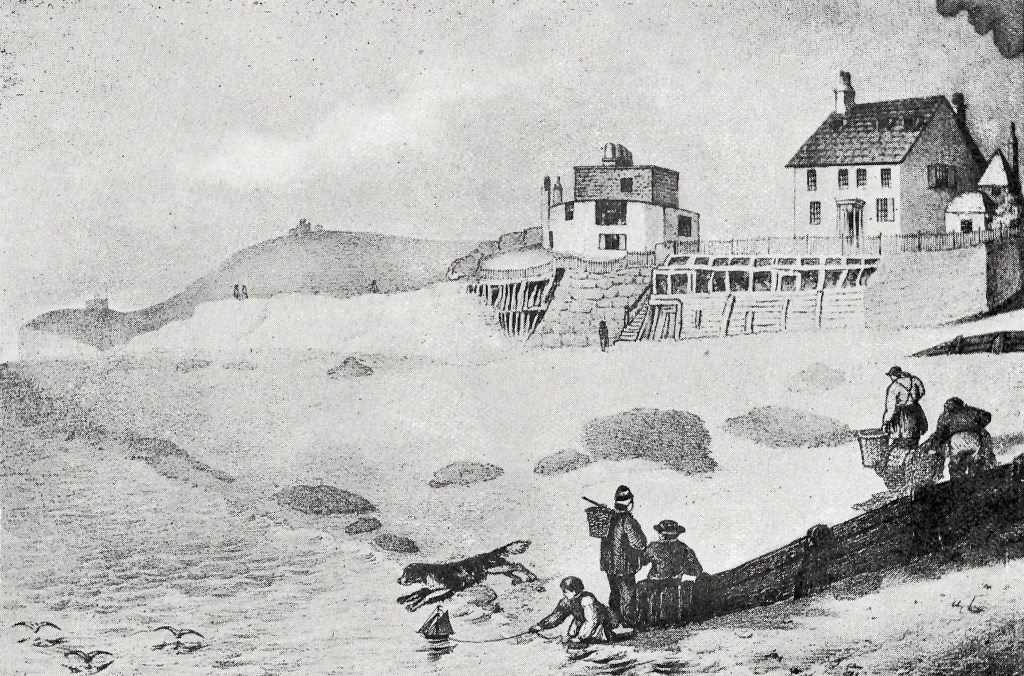
Charles allowed the land to be used for Eastbourne’s annual Horticultural and Flower Show and fetes for the RNLI. He regularly attended St Mary’s Church where a pew (Number 46) was reserved for him and Harriet and two further pews (numbers 5 and 6) reserved for the staff of The Greys.
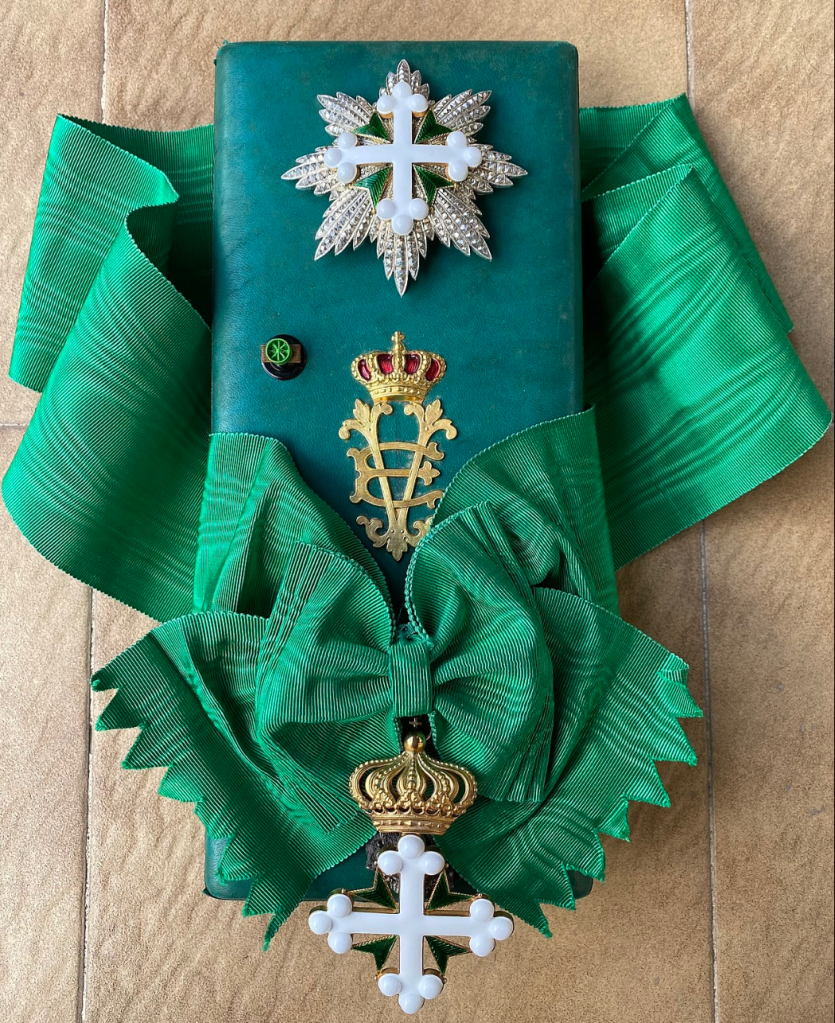
Charles received many honours. He was a fellow of the Royal Society and the holder of the French Legion de’Honneur and the rare Order of Saints Maurice and Lazarus (bestowed by the House of Savoy. It is the second oldest knighthood in the world (established in 1098) and one of the few knighthoods recognised by a papal bull). In 1879 he was granted the Freedom of the City of London.
Charles Manby died on 31st July 1884 in London but his body was returned to Eastbourne for burial at Ocklynge Cemetery. (Plot K 34/5). What a shame that today he is virtually forgotten in Eastbourne.

Sources:
National Newspaper Archives
Dictionary of National Biography
The British Museum
Ancestry.com
 Quirky Sussex History by Kevin Gordon