One morning in September 1888, Mrs Mary Torry left her bedroom at the Diplocks Hotel in Eastbourne and went downstairs for breakfast. She left her bedroom door unlocked and when she returned she noticed that money and jewellery were missing from her handbag.
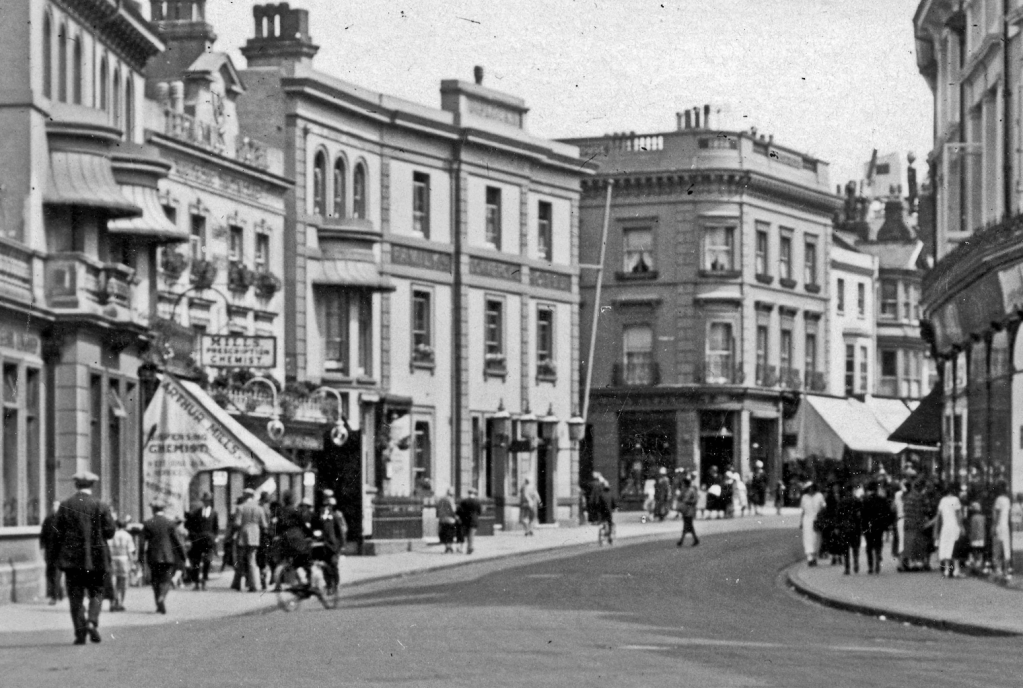
Suspicion fell on the young, well-dressed chap in the adjacent room. He had booked into the hotel as Cecil Morris. Sergeant Nathan Vincent arrived from the police station to investigate. 19 year-old Cecil seemed agitated and when searched was found in possession of money, a chisel and a pawn ticket in someone else’s name. He said he was a draper’s assistant from London who was spending a short stay in Eastbourne and that the chisel was to help with his fretwork hobby. Sergeant Vincent was clearly unconvinced and asked Cecil if he would accompany him to the Police Station and, rather than walk through the streets to Grove Road, the suspect paid for a cab for them both to travel in!
The following day at Eastbourne Magistrates, Cecil was defended by Mr Arthur C. Hillman. Superintendent Newman was prosecuting and asked the court for Cecil to be remanded in custody so that further enquiries could be made but Mr Hillman strongly objected. The case was dismissed due to insufficient evidence and Cecil caught the train back to London.
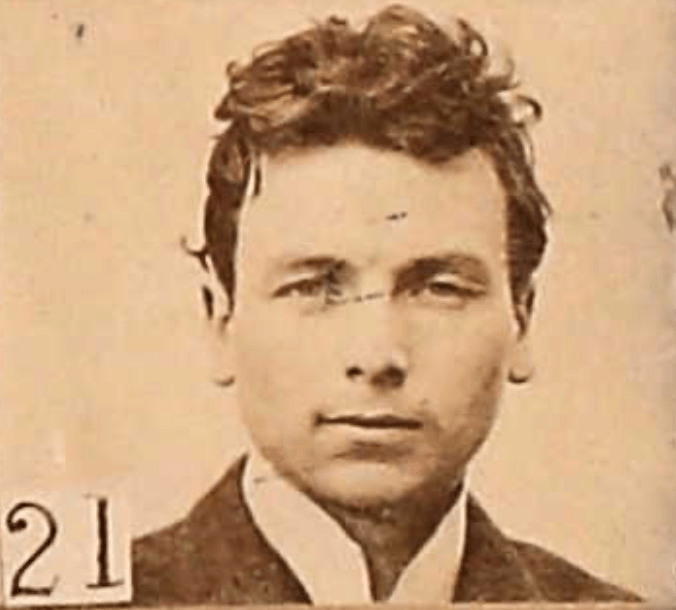
‘Cecil’ was actually Robert Holroyd Goat, a professional hotel thief. Just six weeks later he was back in court charged with six cases of theft from hotels in the capital. The court were told that Robert had admitted to the theft of over £1,000 worth of property from hotel rooms. He admitted the theft in Eastbourne, even boasting that he had paid Mr Hillman to defend him using the jewellery he had stolen.
Although still a teenager, he had three previous conviction and was suspected of committing at least thirty similar crimes. The court were also told that had been ‘paying his addresses’ to two respectable women with a view to marriage and duping them out of their money. The judge told Robert that he was an ‘incorrigible thief’ and sentenced him to five years imprisonment.
On release from prison Robert, (alias ‘Robert Barrington’ or ‘Frank Barton’) was reported to have been in Brighton where he had stolen a large amount of jewellery from a boarding-house. The Police Gazettedescribed him as 29 years, 5ft 6in, fresh complexion, dark brown hair, blue eyes and clean shaven. He (not surprisingly) was usually to be found frequenting hotels and guest-houses.

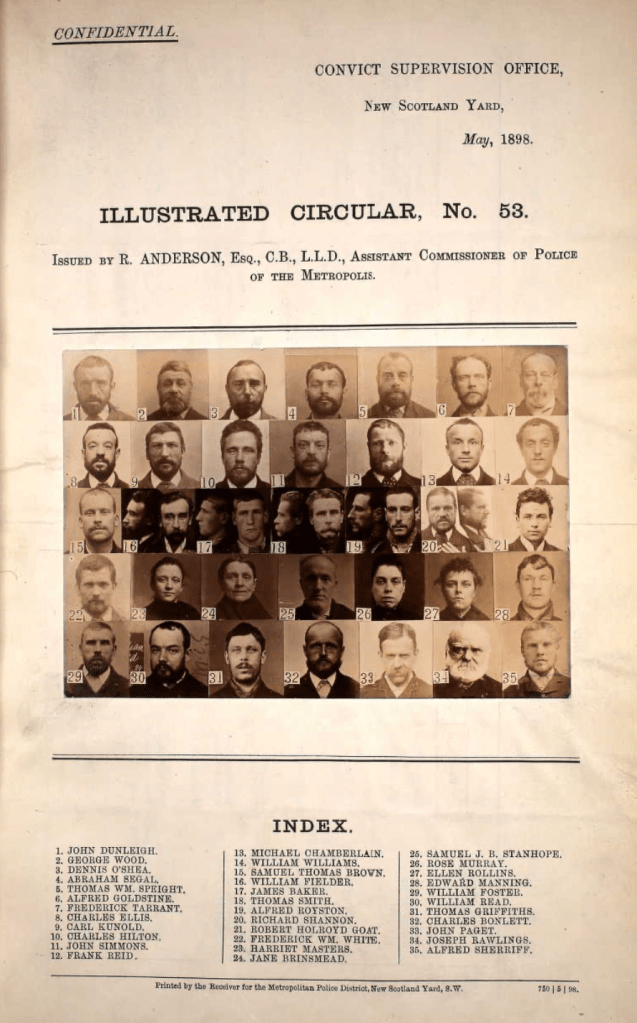
Robert was obviously an able thief and confidence trickster, no doubt assisted by his suave looks and easy banter. In 1893 he was in the south of France where he was sentenced to five years imprisonment in Nice. He returned to England and in September 1897, the ‘Convict Supervision Office’ at New Scotland Yard circulated his photograph to all police forces.
However, by this time Robert seems to have settled down. The 1901 Census shows him living in London with his wife Nellie and young sons Thomas and Raymond.
 Quirky Sussex History by Kevin Gordon