On the evening of 9th October 1912, Countess Sztaray left her house at 6, South Cliffe Avenue near the Grand Hotel, Eastbourne for a dinner appointment in town. As the Countess got into her carriage, the coachman, David Potter noticed a man on the ivy-clad balcony above the front door.
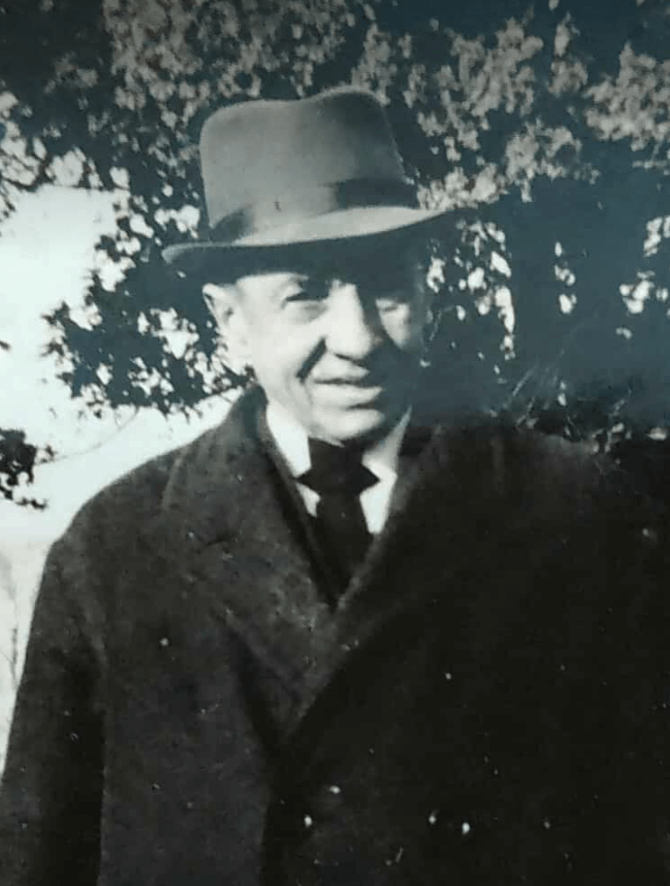
(Source: Shirley Moth)
The Countess returned to her house and telephoned the police station saying “Will a Constable come at once as we have a man breaking into the bedroom window over the front door”. PC John Luck took the call and relayed the message to Inspector Arthur Walls, the Parade Inspector, who was at his office on Grand Parade. Walls said “I will go at once”. The call was logged at 6.50pm.

Forty-four year-old Arthur Walls was married with three children and had joined the East Sussex Police twenty-four years earlier. He had transferred to the borough force shortly after it was formed and had been appointed as the Parade Inspector in September 1911.

( Source: Kevin Gordon collection)
This job was principally related to maintaining law-and order along the seafront. He was responsible for ensuring the fishermen, bathing-machines, and entertainers had an appropriate licence. He had an office on the seafront where he also dealt with lost-property and lost children. He was described by the local press as being genial and kind towards his colleagues and the public.
Inspector Walls was soon on the scene and called up at the man “Here old chap – Come down” but was answered by two shots from a revolver. The first hit him in the chest and as he staggered back into the road another hit him in the leg. He quickly died.

PC Luck received a further frantic telephone call from the house “There is a murder being done – send someone on a bicycle!” Several officers, including the Chief Constable, Major Edward Teale were soon at the scene and he authorised officers to carry firearms whilst they searched the area and within an hour had decided to call in the Murder Squad from Scotland Yard.
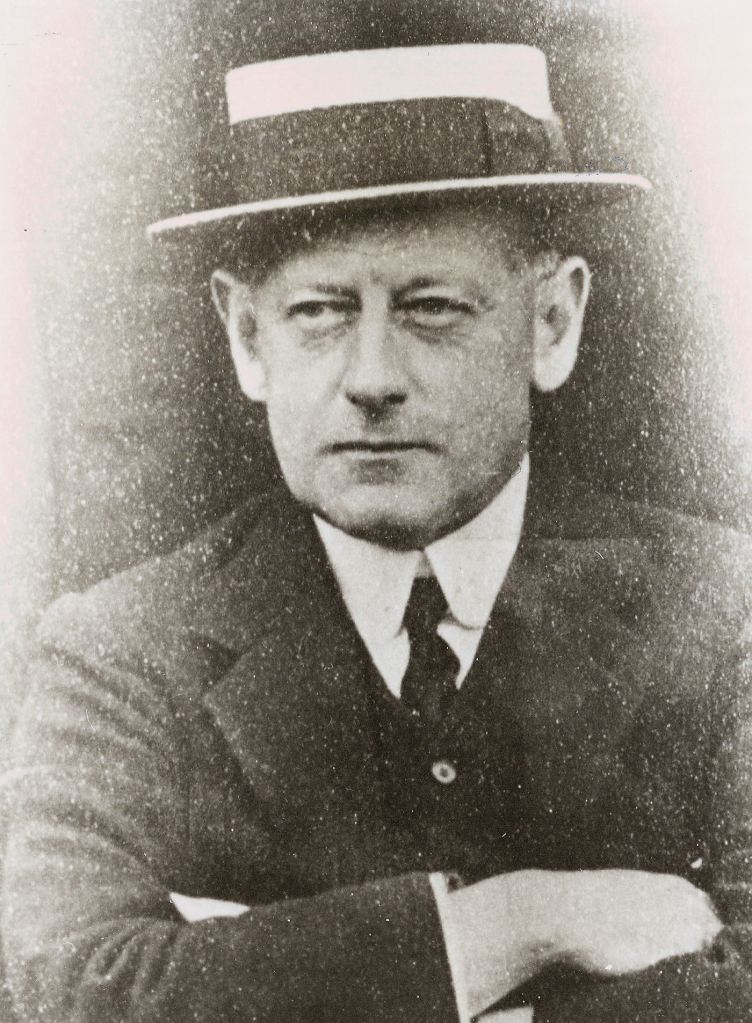
The Murder Squad had been established at Scotland Yard just five years earlier in 1906, to investigate homicides within the metropolis and to assist county forces if requested. Chief constables were often reluctant to admit that a crime in their area was too difficult for local officers to investigate but this was not the case with Eastbourne’s Major Teale. Detective Chief Inspector Bowyer and Detective Sergeant Flayman arrived from London the very next morning. A pack of bloodhounds were used, but there was no apparent trail for them to follow. A felt trilby hat was found nearby as were several footprints in the garden which were preserved in plaster.
The murderer was George MacKay, alias John Williams. He described himself as a sculptor but had previous convictions for burglary.
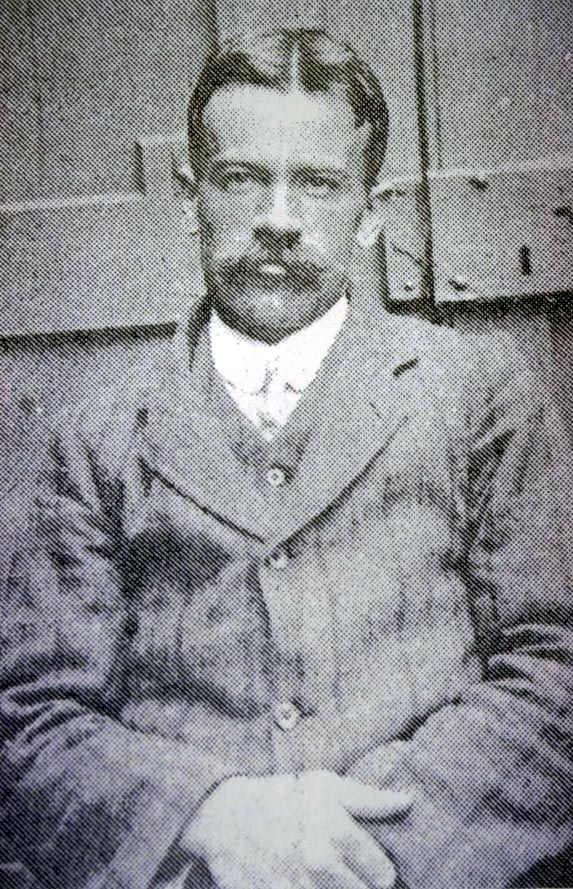
He lived with a young woman, Florence Seymour at 4, Tideswell Road and she was pregnant by him. A mutual friend, medical student Edgar Power, gave MacKay money with which to escape to London but after he had left, informed the police. Power persuaded Florence to take him to a place on the beach where a parcel had been buried, but the police were waiting and she was arrested.
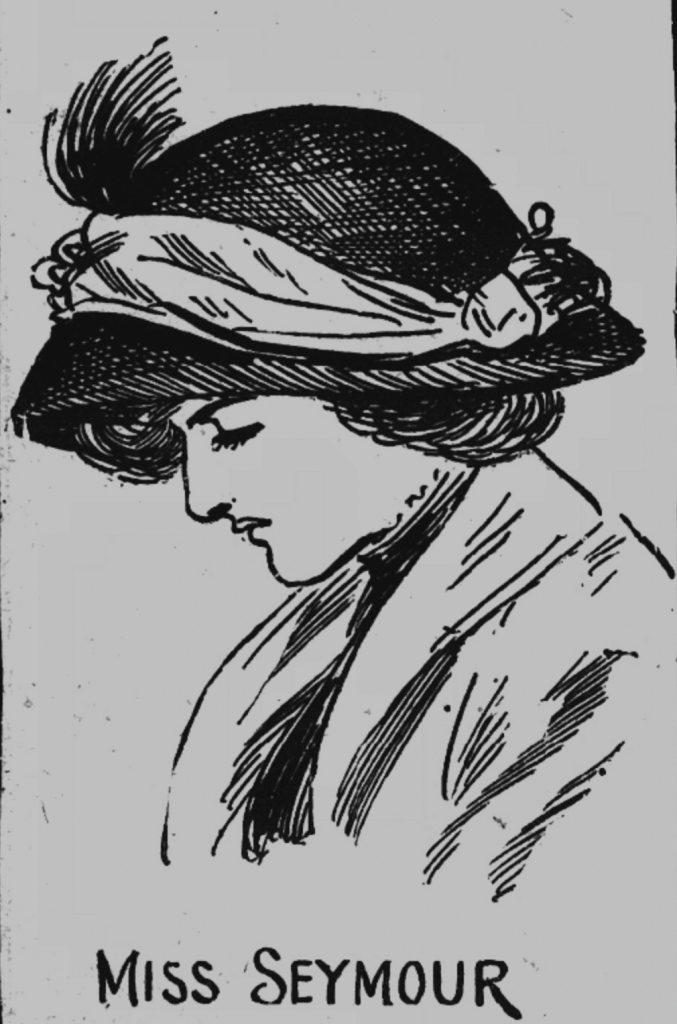
Florence told the police that on the night of the murder, MacKay had left her on a seafront seat whilst he went off to South Cliffe Avenue. He returned twenty minutes later without his hat. The two of them had then buried his revolver and some rope on the beach. The police now had the murder weapon. Power again assisted the police by luring MacKay into a trap at Moorgate Underground Station in London where he was arrested and brought back down to Eastbourne for interrogation.
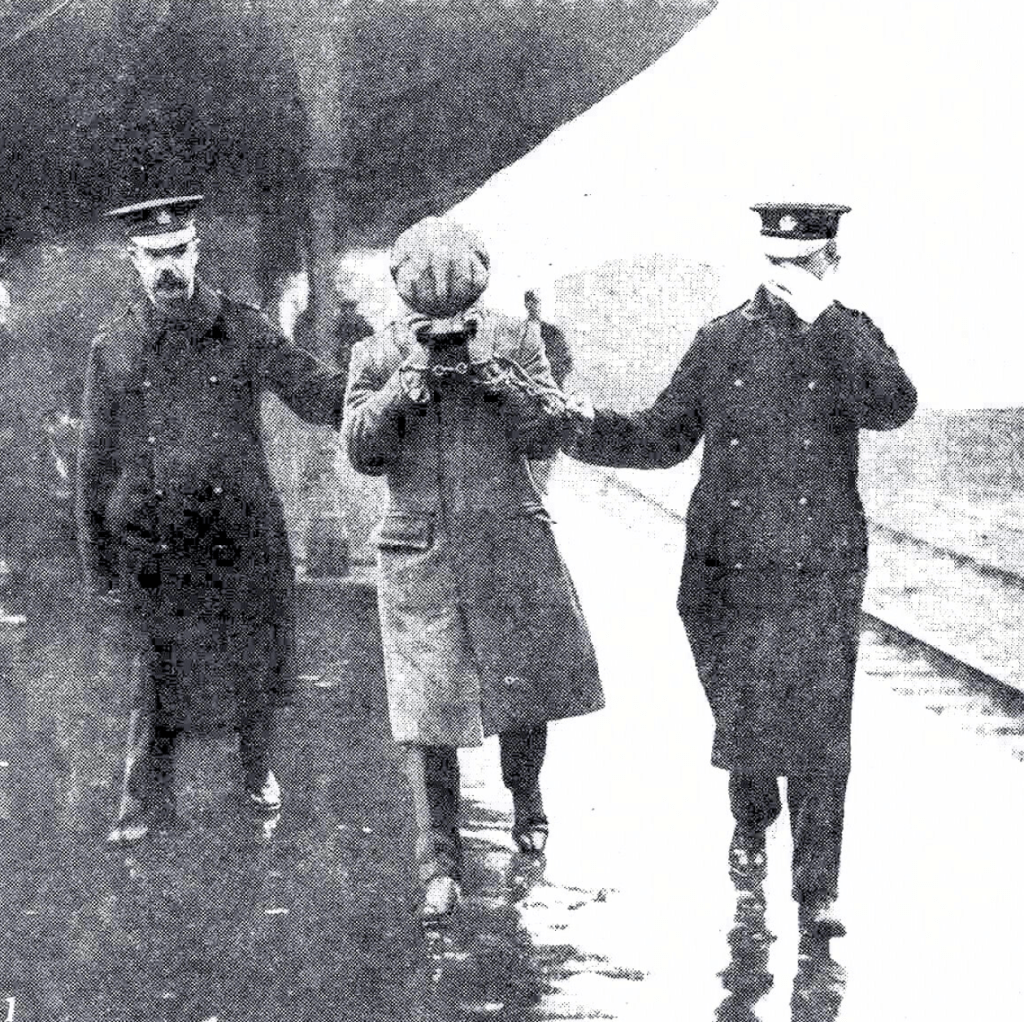
(Source: Daily Mirror)
Inspector Walls was buried at Ocklynge Cemetery on 16th October 1912.

(Source: Kevin Gordon collection)
It was a massive funeral with a parade through the town centre, where many people stood silently to watch the procession which was proceeded by officers from the Eastbourne Borough Police. Over £600 was raised by the public for his widow who was also granted a pension by the town council. A small white gravestone marks his grave. Today £600 equates to about £50,000 and at that time would have been more than enough to buy her house.
MacKay admitted to ‘casing’ the house but not to the murder. His baby was born a few days later and Florence was so unpopular in Eastbourne that the local hospitals refused to take her in and she had to catch the train to Hastings to give birth there.
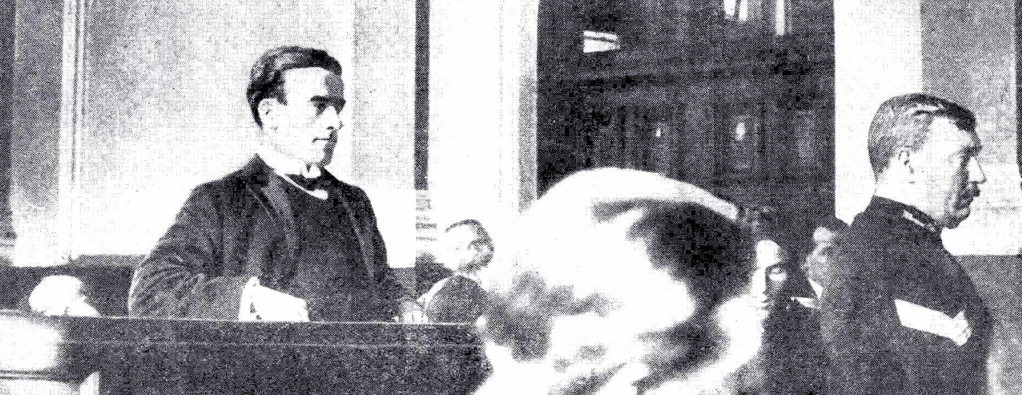
MacKay was subsequently found guilty at Lewes Assizes in December and was executed at the prison. Before his execution he was allowed to kiss his baby and gave the child a piece of prison bread saying “Now you can never say your father never gave you anything”
One of the jurors was Charles Payne of London Road, Brighton and as the case was difficult he was later exempted from future jury service.

Some people have examined this case and query the verdict. Power seems to have played a key role in the whole case and many think that MacKay could have been set up by Power and Florence.
In 2025 the Friends of Ocklynge Cemetery arranged a grant from the Sussex Police and the Police Federation to have the gravestone of Inspector Walls restored.

On 18th July a short ceremony was held at the cemetery attended by the Mayor, Councillor Margaret Bannister, several retired Eastbourne police officers and cemetery friends. One of the friends, Peter Taylor is actually a distant descendent of the murdered officer. The gravestone has been brilliantly restored by Tookey’s of Polegate and was unveiled by Assistant Chief Constable Rosie Ross and Sergeant Raffaelle Cioffi of the Sussex Police Federation.

(Source: Sussex Police)
I was honoured to have arranged to have the grave restored and to have arranged to ceremony along with help from Danielle Wilson, Jo Barber and Shirley Moth who is a descendent of David Potter, the coach-driver witness.
Who was Countess Sztaray?
At the time of the murder, Countess Flora Ruth Sztaray was 44 years-old and had already had an interesting life. She was the only daughter of a Hungarian nobleman, Count Ladislaus Sztaray who had fought on the English side during the Crimean War and was said to have been the richest man in the country. Flora was also very rich and lived in a large house called Bourneside, in The Goffs, Eastbourne. She became known as the town’s principal hostess, providing balls and dinner-parties at home and in local hotels. In May 1901 she had married Wilhelm Stanek, a Hungarian diplomat at Holy Trinity Church in the town. It was an unhappy marriage and, after he had tried to kill her twice, she obtained a divorce. She then lost her income from Hungary during the Great War and had to leave her grand home for a flat in Arundel Road. Being an accomplished horsewoman, she obtained employment with Mr Chapman and for many years drove his ‘Phaeton’ service between Eastbourne and Brighton. The countess was also a composer and her pieces were regularly played by the municipal orchestra. She died in Park Close, Eastbourne in 1943. Her obituary said she was ‘a brave woman with character, grit and infectious cheerfulness’
Note: Although the murderer was convicted in the name of John Williams, I have used his birth name, George MacKay.
 Quirky Sussex History by Kevin Gordon