A national Roll of Honour is maintained by the Police Remembrance Trust and lists officers who were killed or died during the execution of their duty. You may be surprised to learn that one of the constables recorded was a Glynde man, Lawrence Alfred Haines. (Always known as Alfred)
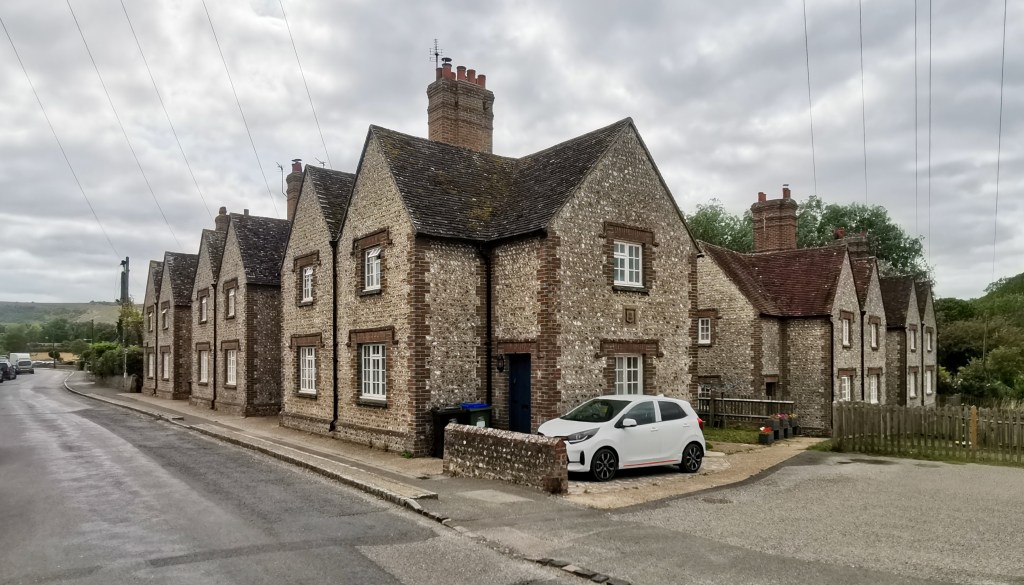
Alfred was born in Beddingham in 1884, the son of John Haines and his wife Olive (nee Funnell). His father was a lime-burner at the Glynde chalk quarry and, when he left school, Alfred got a job as a local gardener working at Little Dene Gardens in Beddingham and later at Glyndebourne. He lived with his parents and older sister Maud at 12, Trevor Gardens, Glynde.
On 6th July 1914, and with war-clouds looming, Alfred travelled to Brighton where he volunteered to join the Coldstream Guards. His attestation papers show that he was over six feet tall, blue eyed and healthy, although it is recorded that he had bad teeth. On 11th November 1914 he embarked from Southampton to Le Touquet. He served at the front for a few months before returning to England.
His second tour of duty at the front line was from April to September 1915 but he caught pneumonia, and at one stage was shown as being gravely ill at a hospital in St Omer. He was evacuated back to England. In January 1917 he returned to northern France but on 31st July 1917 he was shot in the right arm, the bullet lodging just under his elbow. He returned to England where he spent the next few months in hospital.
On 30th December 1917, Alfred crossed the channel to Harfleur where he joined the Guards Reinforcement Battalion on 3rd January 1918. On 18th April he was taken as a prisoner-of-war by the Germans. His regiment was not informed of his capture until September and he was released a few weeks later at the end of the war. From then on, Alfred suffered from rheumatism which he attributed to the damp conditions in his prisoner-of-war camp.
On discharged from the army, Alfred’s military record was endorsed ‘Very good character and a reliable man’. A good candidate for the police service!
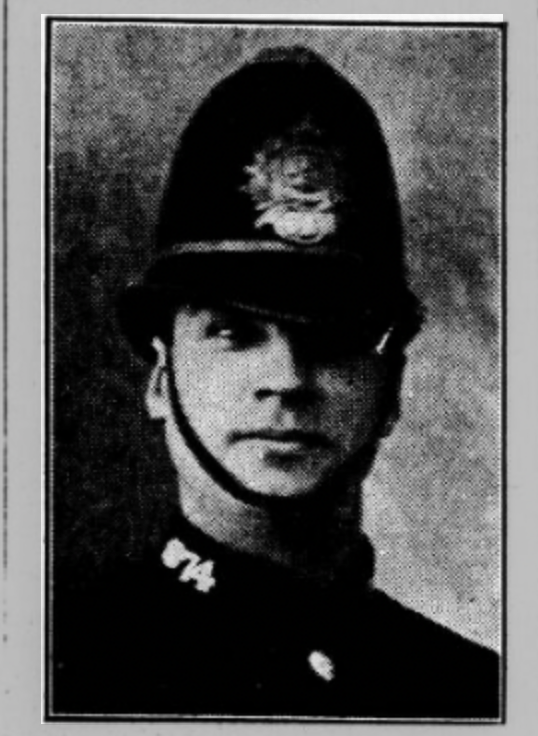
Alfred joined the Southern Railway Police at Victoria Station in September 1918. He later transferred back home to Sussex and was posted to Newhaven Harbour where it is clear that he was a popular officer, well-liked by his colleagues and the dock and railway staff.
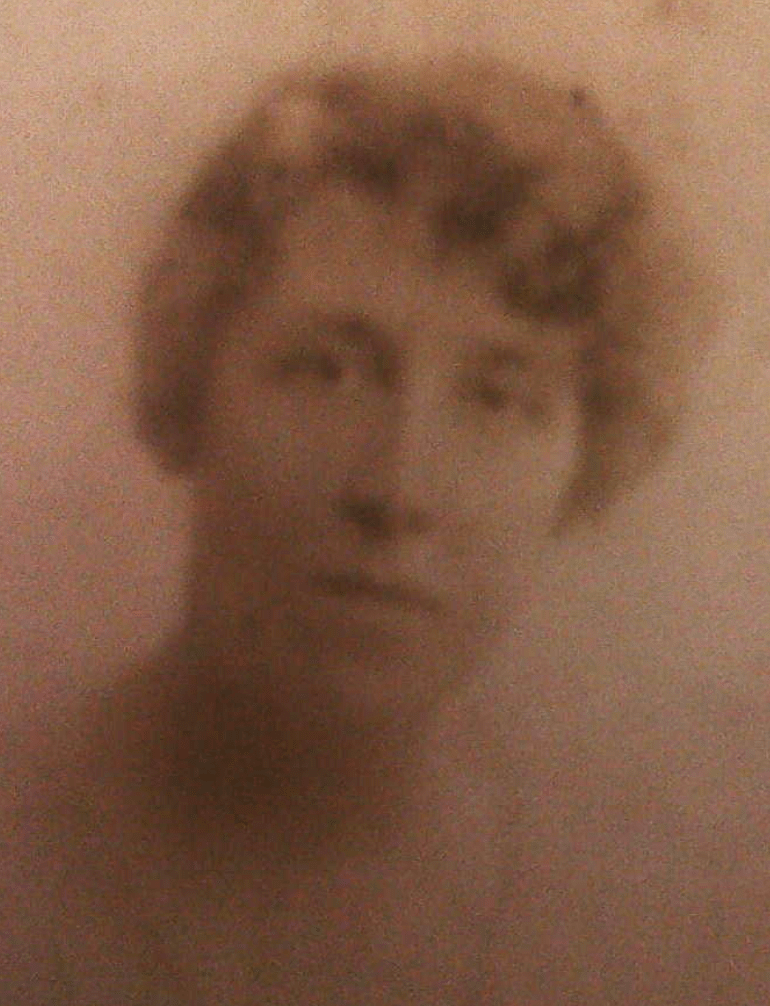
In 1929 Alfred married a London girl, Eveline Castle. The newly married couple didn’t move far – 6, Trevor Gardens, just a few doors down from Alfred’s family home at number 12.
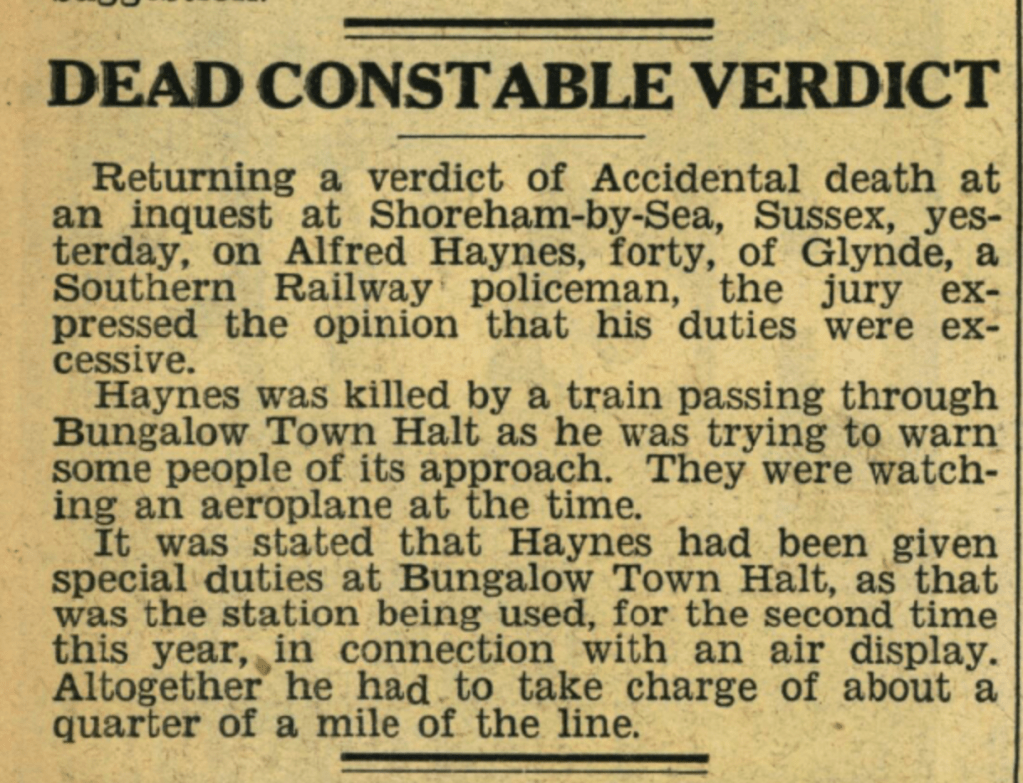
On 5th July 1934, Alfred was transferred to the Police Office at Brighton Station where he worked under Sergeant William Hillier. A few days later, on Friday 17th July, Sergeant Hillier briefed Alfred about his duties for the weekend; he was to be on duty at ‘Bungalow Town Halt’ in conjunction with National Aviation Day at Shoreham Airport.

The small station with wooden platforms had opened in 1910 to serve a small collection of cottages (many created from old railway carriages) which had sprung up near the beach between Shoreham-by-Sea and Lancing. The station had officially closed the previous year but, being at the end of the runway at Shoreham Airport, it had been opened specially for the event. It was also an excellent place to watch the airshow. Known as ‘Alan Cobham’s Flying Circus’, the airshow was based at Ford Aerodrome in West Sussex. Spectators were able to see many aircraft in twenty different displays which included aerobatics and races. It had been a very popular event across the country and large crowds were expected.

On Sunday 19th August, Sergeant Hillier was off-duty and decided to go over to Shoreham to see the air-show for himself. The platform was crowded and he saw his Constable keeping spectators off the tracks and away from the platform edge. At five past five there was a tragic coincidence – the Brighton express thundered through the station at exactly the same time a noisy single-engine aircraft flew low over the tracks. The aircraft was very low, a woman screamed, the train diver blew his whistle but Alfred probably did not hear it. The train struck him and has instantly killed.
An inquest was held at the Haig Hut, the British Legion HQ on the Old Shoreham Road. A verdict of ‘Accidental Death’ was returned but the jury remarked that Alfred’s duties on the day had been ‘excessive’ and recommended that at future air-shows, more police should be on duty and that trains should slow down when they passed through Bungalow Town Halt.
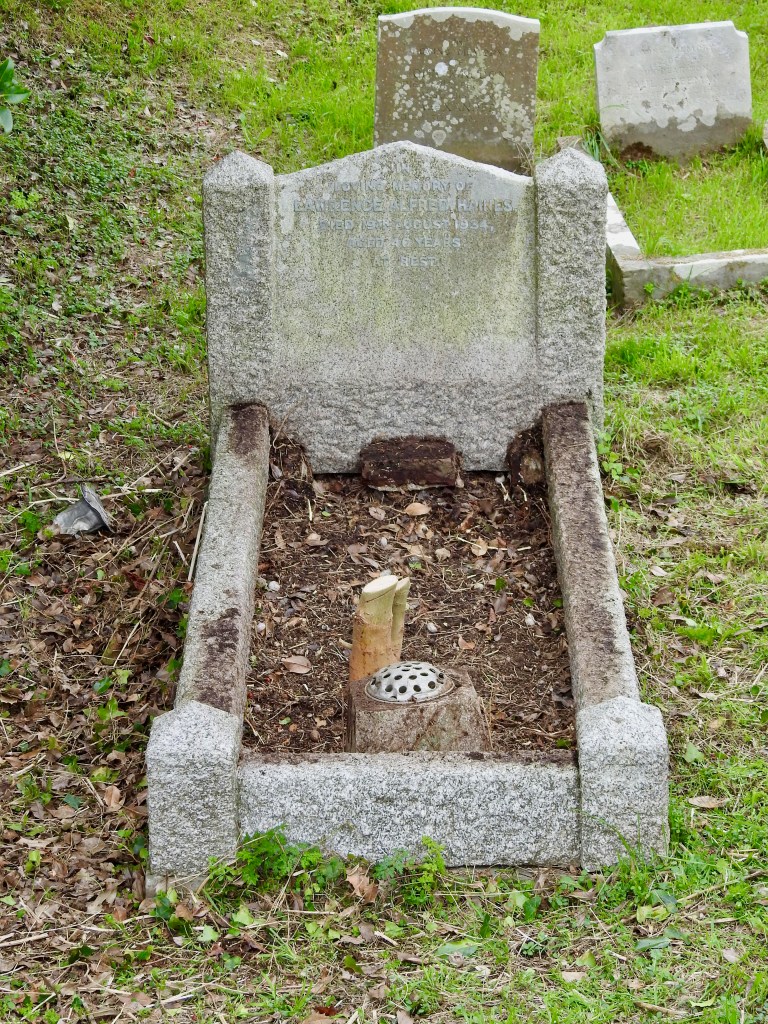
Alfred was buried on 23rd August 1934 in his home village at Glynde. Twenty-five members of the local Southern Railway escorted a procession to at St Mary the Virgin Church. Alfred was buried near the small Georgian church and his grave was covered with wreathes including those from many local people, his former regiment and the Railway, Metropolitan and Sussex Police.

Bungalow Town Station reopened for a few years between 1935 and 1940 when it was renamed ‘Shoreham Airport’. Today the station is forgotten but hopefully we can remember a brave Glynde lad who did four tours of duty during the Great War, was shot, captured and died trying to keep others safe.
As a retired British Transport Police officer, I feel a kinship with Alfred as, like him, I also served in the police at Victoria, Newhaven and Brighton Stations. I have visited his grave and tried to tidy it up a bit as a mark of respect.
Sources:
Shorehambysea.com
Doriccolumns.wordpress.com
Ancestry.Com
National Newspaper Archives


Hello Kevin,
What a great tale . I thoroughly enjoyed reading this article and with your permission I would like to copy it for my Shoreham Airport file, which is pretty large already ! I had a friend, now dead, who also lived at number 12 Trevor Gardens and also many years ago I ws priviliged to sit next to Sir Alan Cobham at an aeronautical evening at the Fairfield Hall in Croydon. Needless to say, we nattered together all evening. As well as his flying circus before the war, he is renowned for being the forerunner of air to air refuelling.
Cheers,
Peter
>
LikeLike