George Simcock was born in 1800. He was well known in Lewes and Eastbourne as a coach proprietor and a ‘good whip’ (driver).
At the age of sixteen, George was apprenticed to a butcher in Hailsham. Four years later he was ordered to pay Eliza Piper for the maintenance of their illegitimate son. In 1824, he married Lucy Wise and they moved to Lewes. Soon after he is described in the press as a ‘Coach proprietor of St Andrews Lane’
The regular coach service between Brighton and Lewes was run by a Mr Allen of the White House Inn at Brighton, the whip being a Mr Yeoman. There were rival coaches run by Mr Osmond and Mr Leney but in the 1820s they were joined by George’s elder brother Thomas who operated from Dolphin Lane, Brighton. (Thomas was to die as a pauper in Westminster 1841.) Later another brother, William started in the ‘stage business’ basing himself at Tunbridge Wells. (he was to die in the town in 1843 when he fell from the roof of a coach whilst he was adjusting luggage.)
Not all the coaches plying for hire between Brighton and Lewes were fast. Edmond Levett had a coach that took four inside and two outside. He did one journey a day in each direction, and that with a long stop at Falmer for refreshments. He lived in Lewes and was renowned for sleeping throughout the Sunday service at St Annes church. One day, when the vicar was halfway through his sermon, Edmond suddenly shouted in his sleep “ANY MORE FOR BRIGHTON!” Another slow coach driver was Luke Ford whose vehicle took between two to three hours to travel between Lewes and Brighton. He was once passing the Spital Barn (close to where Lewes prison now stands) when he offered to take a Brighton bound pedestrian – the answer was “No thank you, I am in a hurry so I will walk”
When George joined in the coaching business , he took the lucrative London route. Originally, the same horses were used for the whole journey and had to be rested overnight at East Grinstead. The two day journey was particularly slow in the winter when the roads were heavy with mud. However George could do the journey in a day.
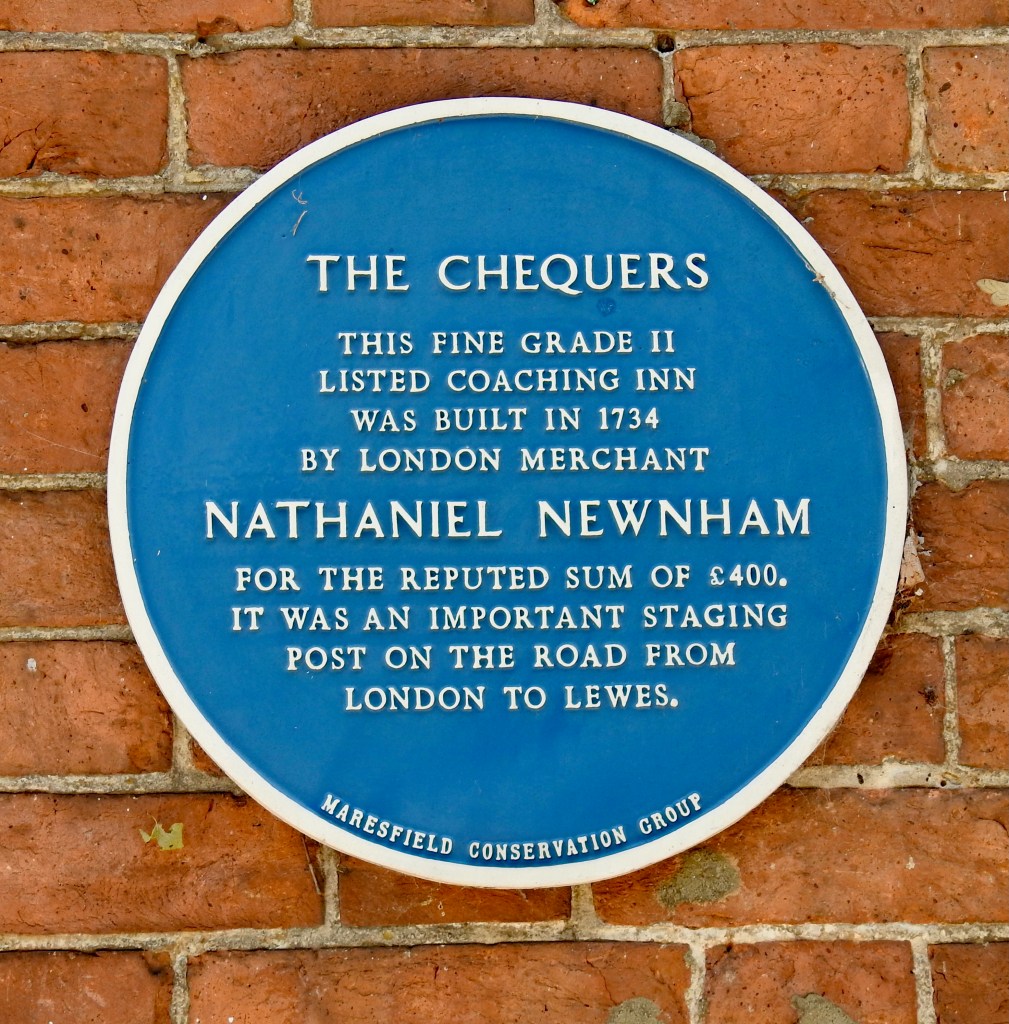
George’s London coaches were decorated with a rebus; the word SIM above a cockerel. They started from Lewes at 9am and had to stop at various locations to change horses and allow passengers to ‘stretch their legs’. The first stop was at the Chequers Inn at Maresfield.
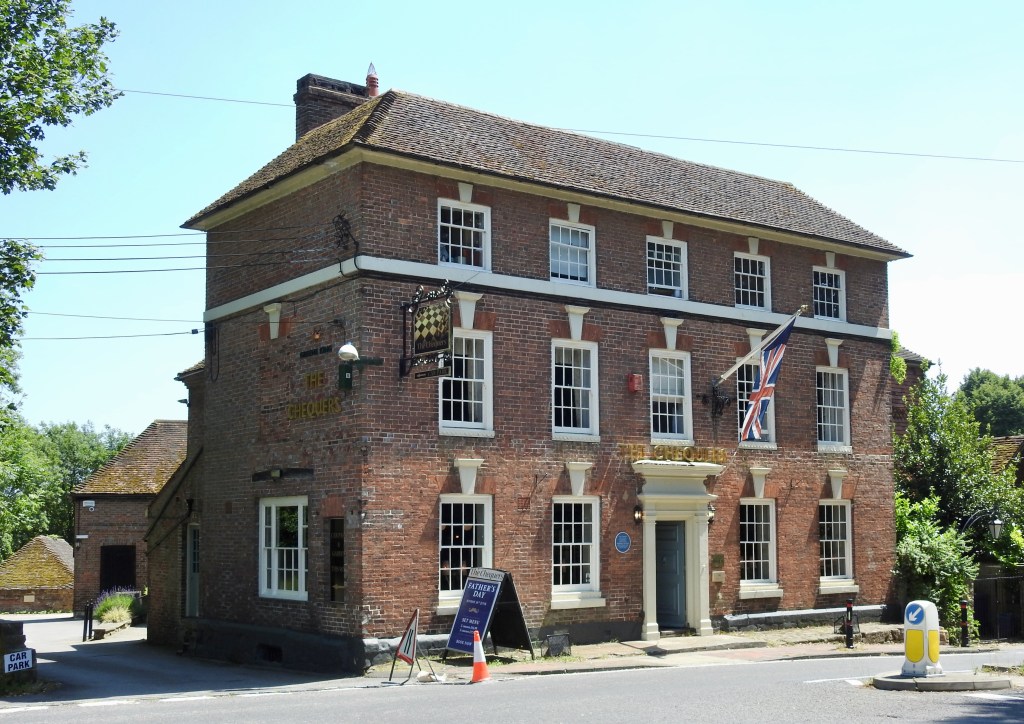
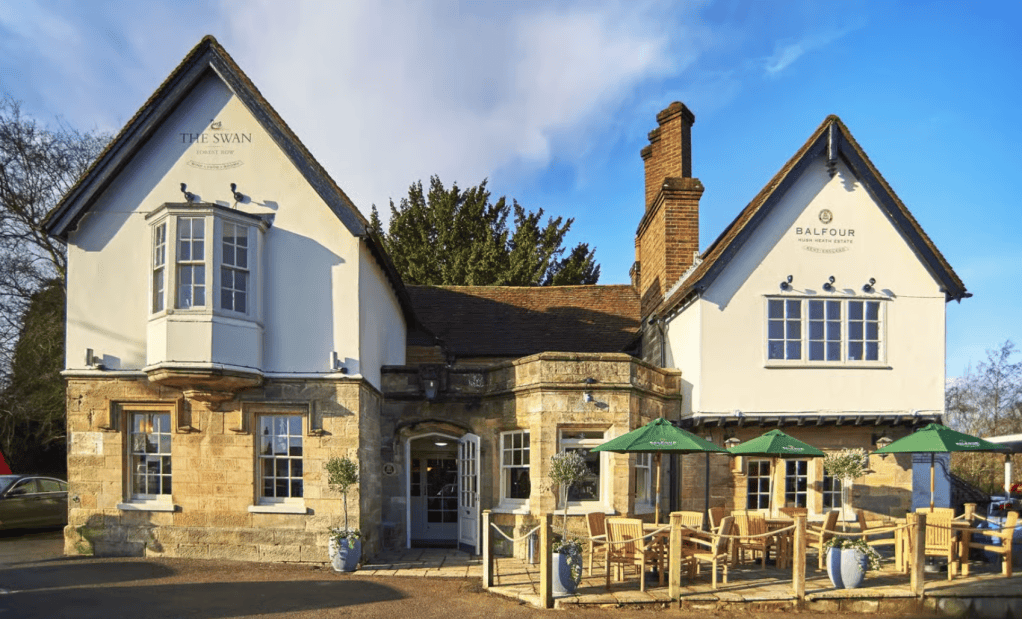
At Nutley two extra horses were added in order to drag the coach through the often muddy Ashdown Forest. The second stop was at the Swan Inn at Forest Row, where the landlord Johnny Hoare would greet this passengers by the curious “Aye Aye, You wet the other eye, old boy”.
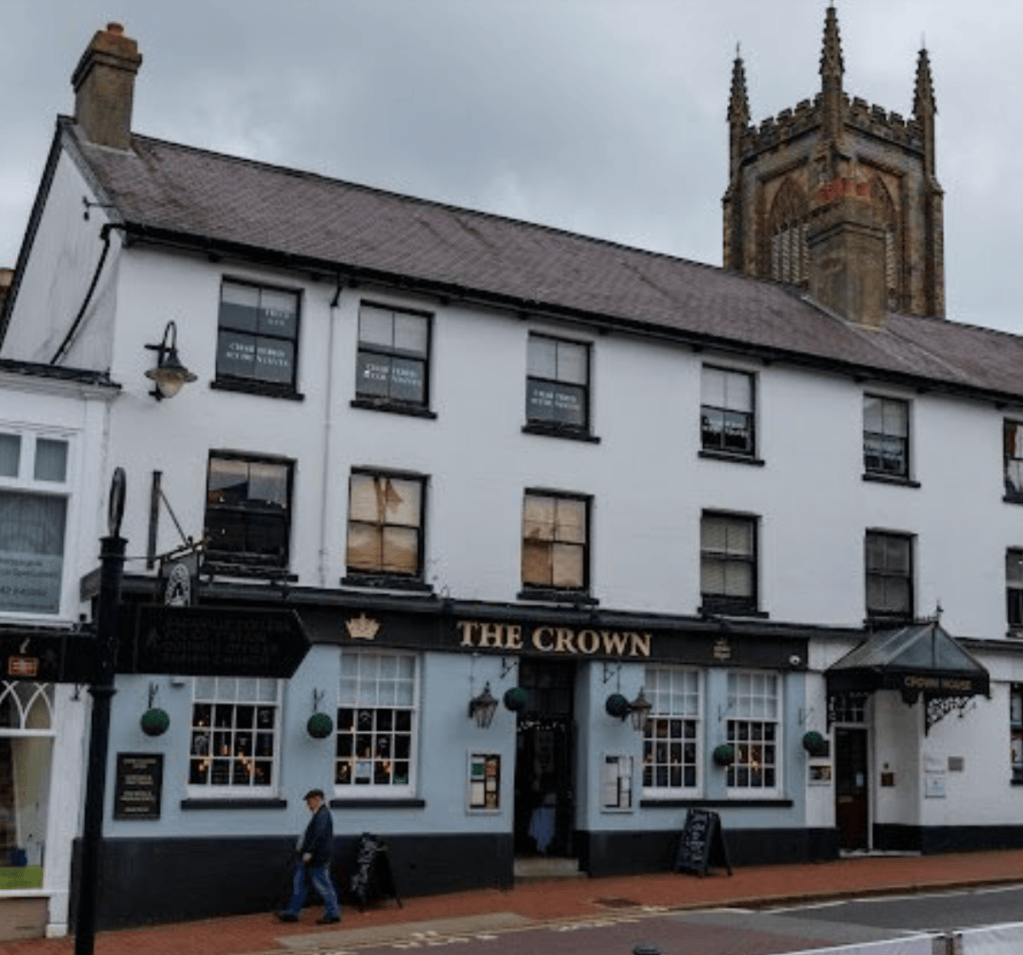
There was a longer break for the passengers at The Crown Inn at East Grinstead where the horses were exchanged for fresh ones.
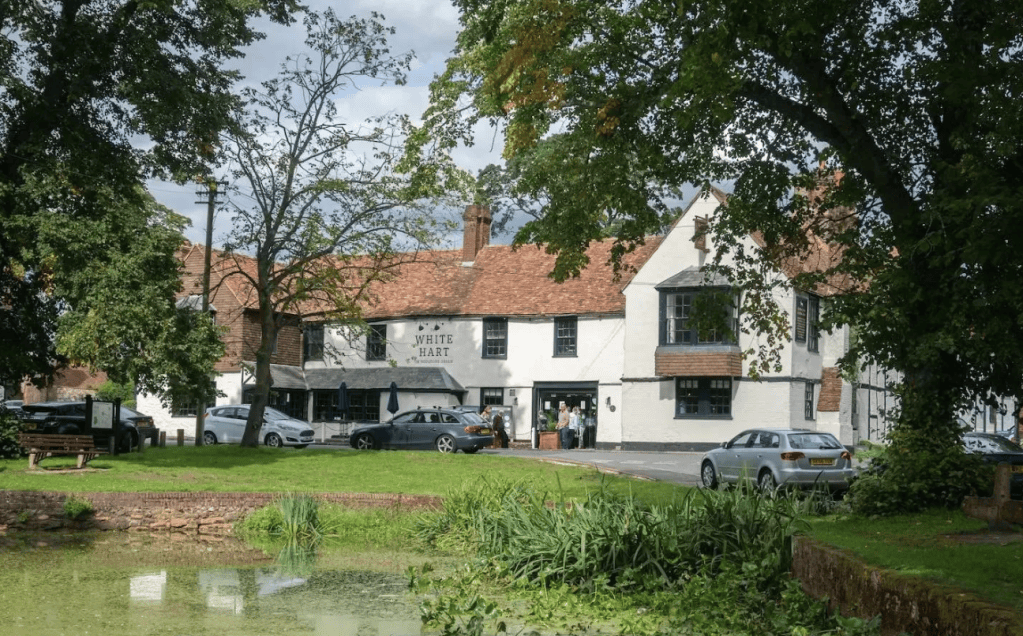
By lunchtime the coach and horses had arrived at The White Hart at Godstone which was famous for serving mutton chops. The coach set off again and, after a brief stop at Riddlesdown, near Croydon to change horses, the coach would arrive in London by 4pm. The fare was 18 shillings inside or 21 shillings outside.
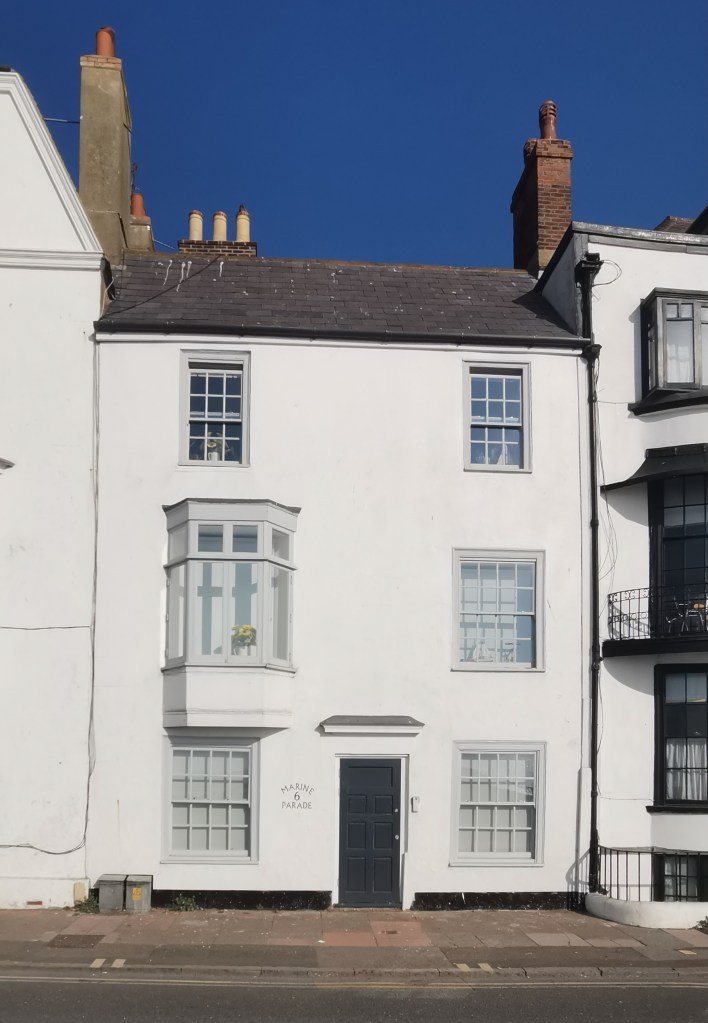
George’s wife Lucy died in 1839. He retired in 1846, when the speed of the new-fangled trains made his job redundant, however he met a wealthy widow, Sarah Arnold and they took the lease from the Gilbert Estate, on a small house, 6, Marine Parade, Eastbourne. It was in a prime location in an area known as ‘Seahouses’ and they ran it as a guest house.
George apparently continued in his old business as the Brighton Gazette of 16th March 1848, tells us that ‘Mr George Simcock has started a conveyance to run to and from Polegate Station on the Hastings Railway four times a day.’ This was presumably a short lived venture as the railway line between Polegate and Eastbourne was opened just over a year later.
Sarah died in 1859 and in November 1863, George died at his home on Eastbourne seafront. His death was attributed to ‘a flowing of blood from the nostrils’ The local paper said that he ‘created respect in whatever degree of society he mingled with.’ Buried on 1st December 1863 and buried in Ocklynge Cemetery (plot C190). In May 1864, his household goods were put up for auction. There was quite a crowd at the sale, many of whom wanted a souvenir of ‘Dear Old George’ Many of the items reached a good price but many ‘were sold for a song’ these including family portraits which were bought for the frames.
Many years later in 1898, a correspondent to the Eastbourne Gazette remembered George Simcock recalling that ‘his jocularity sometimes gave offence’. Another, a Mr Cable of Cambridge Road, Eastbourne said that he was in possession of George’s account books, silver mounted whip and an ivory portrait of his wife.
I wonder if any of these items are still in Eastbourne?
George’s home at 6, Marine Parade still stands and is now a Grade II listed building. I was also pleased to discover that all of the coaching inns that were used by George during his journey to London 200 years, ago are still operating as pubs. I will make a point of visiting each of them (and hope you do too!) I will enjoy a pint in each of them but doubt if I can still change my horses there!
Sources: National Newspaper Archives and Ancestry.com

